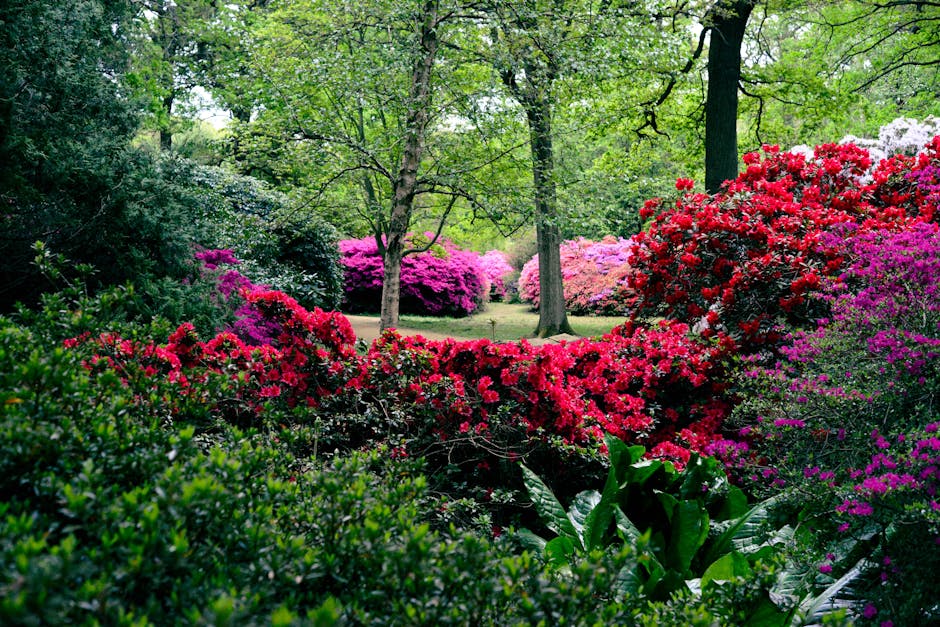
Wanstead Park garden care guide for local gardeners

If you garden near Wanstead Park, you already know the setting can be a blessing and a bit of a puzzle. The mature trees, the pockets of shade, the open lawns, the damp corners after rain, the dry edges in summer, all of it shapes what will thrive and what will sulk. This Wanstead Park garden care guide for local gardeners is designed to help you work with those conditions, not fight them. Whether you tend a small front garden, a family back garden, or a shared outdoor space, the aim is the same: healthier plants, less wasted effort, and a garden that looks cared for through the seasons.
Truth be told, a lot of garden problems are really location problems in disguise. Wrong plant in the wrong place. Soil ignored. Pruning done at the wrong time. A little neglect becomes a bigger job faster than people expect. The good news? Once you understand the local rhythm of the area, the rest gets easier. Let's get into it properly.
Why Wanstead Park garden care guide for local gardeners Matters
Wanstead Park and the streets around it sit in a part of London where gardens often have character from day one: established trees, older boundaries, compact plots, and a mix of sun and shade that changes more than people realise through the year. That makes garden care feel different here compared with a newer estate or a flat, open site. A border that looks fine in April may be struggling by August. A lawn can become patchy under tree canopy. A shrub that looked happy last year may now be crowded out by roots or buried under leaf litter.
This matters because local gardens are rarely blank slates. They need observation. They need small adjustments made on time. If you leave things until the garden looks obviously tired, you often end up doing more work later. A regular care routine is easier on the plants and easier on your weekends too. And honestly, that is the bit people appreciate most once they get into it.
There is also a practical local benefit. Gardens around Wanstead Park often support wildlife, provide privacy in tightly spaced streets, and create that calm, leafy feel that people move into the area for in the first place. Good garden care keeps those benefits intact. It helps shrubs flower more reliably, keeps paths safer underfoot, reduces mess from overgrowth, and makes the whole place feel looked after rather than left to chance.
Expert summary: local garden care works best when you treat the site as its own ecosystem. Light, shade, soil, drainage, wind exposure, and root competition all matter. The fastest wins usually come from better timing, better pruning, and less overwatering than from buying more plants.
How Wanstead Park garden care guide for local gardeners Works
The simplest way to think about garden care in this area is as a cycle: observe, tidy, improve, protect, repeat. That sounds almost too simple, but it is the reason well-kept gardens stay manageable. Instead of waiting for a once-a-year clear-up, you make smaller decisions across the seasons.
In practice, this means paying attention to five core parts of the garden:
- Soil condition - whether it drains well, stays compacted, or needs organic matter.
- Light levels - full sun in one part of the day, dappled shade in another, and deep shade under mature trees.
- Water movement - where water pools after rain and where it dries out quickly.
- Plant spacing - how much room each plant actually has, not just how much it had when planted.
- Seasonal timing - when to prune, feed, mulch, cut back, and replant.
A good local gardener does not just look at the plant. They look at the whole patch. For example, a hydrangea that fades every summer may not be "fussy" at all; it may simply be getting too much afternoon sun reflected from paving. Or a lawn that turns thin might not need more seed immediately. It may need the soil relieved and the overhanging branches thinned a little first.
That is the real working method here. Start with the site, then choose the care. Not the other way round.
Many homeowners also prefer to combine routine maintenance with professional support for larger or more technical tasks. If that is you, it can help to review the available garden maintenance services and compare them with your own time and skill level. Some jobs are ideal for DIY. Others, to be fair, are best handled by someone with the right tools and a steady pair of hands.
Key Benefits and Practical Advantages
A well-planned care routine delivers more than a neat appearance. It changes how the garden behaves. That is the bit people notice after a few months, when the beds look less stressed and the lawn stops feeling like a constant repair job.
- Healthier plants - regular deadheading, pruning, feeding, and mulching support stronger growth.
- Lower long-term effort - small, frequent jobs prevent big seasonal clear-ups from becoming overwhelming.
- Better use of difficult spaces - shaded corners, narrow side returns, and root-heavy borders can still look good with the right planting.
- Improved kerb appeal - tidy edges, controlled hedges, and clean pathways make the whole property feel cared for.
- Safer access - less slippery moss, fewer trip hazards, and clearer pathways.
- More resilience in dry spells - mulched beds and well-established planting hold up better when the weather turns odd, which it often does.
There is a small but important emotional benefit too. A garden that is under control tends to get used more. People sit out more. Children wander out more. You stop looking at it as a job and start seeing it as part of the home again. That shift matters.
In our experience, the gardens that look easiest to live with are not the ones with the most expensive planting. They are the ones where routine care is calm, consistent, and matched to the site.
Who This Is For and When It Makes Sense
This guide is useful for a wide range of local gardeners, not just keen hobbyists. If you live close to Wanstead Park and want to keep a garden looking good without overcomplicating things, you are in the right place.
It makes sense for you if:
- you have a mature garden with established shrubs and trees
- your garden gets patchy shade from nearby buildings or canopies
- you are dealing with heavy leaf fall in autumn
- your lawn is uneven, dry, or mossy in places
- you want a better year-round structure rather than a one-season display
- you are planning to sell, rent, or simply improve day-to-day enjoyment
- you need a realistic maintenance routine that fits London life, not an idealised one
It is also a good fit if you are deciding whether to do the work yourself or bring in help for specific tasks. A lot of people start with the hope of "just keeping on top of it," then discover the garden has other ideas. No shame in that. Gardens do like to make a fuss.
If you want an idea of what a broader maintenance plan might include, the about us and services overview pages are a sensible place to understand how professional garden care is typically structured.
Step-by-Step Guidance
Here is a practical, local-friendly approach that works well in Wanstead Park gardens and similar East London settings.
1. Walk the garden properly
Do not start with tools. Start with a slow walk. Look at what is thriving, what is struggling, and what has changed since last month. Notice wet spots after rain, overgrown corners, shaded borders, and any plants leaning for light. It sounds basic, but this single habit saves a lot of guesswork.
2. Clear the obvious clutter first
Remove fallen branches, spent annuals, dead leaves from paths, and anything blocking drainage or access. In leafy streets, a small pile of debris can quickly become a damp, slippery mess. Clean surfaces first, then assess the plants underneath.
3. Check soil condition
Dig a small trowel-width inspection hole in a couple of places. Is the soil crumbly, compacted, dry, sticky, or full of roots? Local gardens near mature trees often need mulching and gentle improvement rather than aggressive digging. If the soil is thin, add organic matter gradually instead of trying to "fix" it all in one go.
4. Prune with purpose
Prune for shape, airflow, and plant health. Remove dead, damaged, or crossing stems first. Then thin crowded growth if needed. Avoid hard pruning just because a shrub looks untidy. Some plants recover well, others resent it. Knowing which is which is half the battle.
5. Feed and mulch where it helps
Use compost or well-rotted organic matter to support beds and borders. Mulch helps retain moisture, suppress weeds, and improve soil structure. In shade-heavy gardens, it can be especially useful because roots compete for resources more intensely than people expect.
6. Manage lawns realistically
For lawns, a decent routine is better than perfection. Mow regularly but not too short. Rake out thatch if it builds up. Aerate compacted patches in spring or autumn if needed. If the lawn is deeply shaded, accept that it may never behave like a football pitch. That is fine. A softer, moss-tolerant lawn can still look attractive.
7. Replant with the site in mind
Choose plants for light level, moisture, and soil rather than just colour in the pot. Around Wanstead Park, the smartest planting often includes shade-tolerant ground cover, spring bulbs under trees, and shrubs that cope with a bit of seasonal variation. The right plant in the right place is almost boringly effective. But it works.
8. Build a seasonal maintenance rhythm
Set a small schedule. Monthly checks in winter, regular watering in dry periods, heavier pruning in the right season, and a tidy-up in autumn. You do not need to do everything at once. Gardening rarely rewards that kind of enthusiasm anyway.
Expert Tips for Better Results
Here are the practical tips that make the biggest difference in local gardens. Not glamorous, but useful. Very useful.
- Work with shade instead of against it. Mature trees are common around Wanstead Park, and their roots plus canopy can alter almost everything. Choose tolerant plants rather than forcing sun lovers into the wrong corner.
- Water deeply, less often. Shallow watering encourages weak roots. A thorough soak now and then usually does more good than frequent splashes.
- Use structure plants. Evergreen shrubs, clipped hedging, and reliable perennials hold the garden together when seasonal colour fades.
- Watch the edges. Borders, paths, and fences often reveal neglect first. A clean edge makes the whole garden look sharper. Funny how that works.
- Keep pruning tools sharp and clean. Clean cuts heal better and reduce the spread of disease.
- Mulch before the worst weather, not after. Getting ahead of dry spells or cold snaps helps plants cope better.
- Be patient with recovery. A tired border may need one full season to settle after correction. Not every garden transformation is instant, and that is normal.
A small local observation: on still mornings after rain, you can often spot which parts of the garden hold moisture longest just by smell and surface sheen. That is often where moss, root stress, or fungus will show up first. Use that clue. It is free, and rather handy.
Common Mistakes to Avoid
Most garden problems come from a handful of repeat mistakes. The good news is they are easy to spot once you know what to look for.
- Pruning at the wrong time - some shrubs flower on old wood, so late pruning can remove next season's display.
- Overwatering shaded beds - damp, low-light areas need less water than sunny ones and can become soggy fast.
- Ignoring root competition - trees and large shrubs draw a lot of moisture from surrounding soil.
- Planting for looks only - a plant that suits a shop display may be a poor fit for a local garden with shade, clay, or wind.
- Letting weeds seed freely - one neglected fortnight can become a whole summer of extra work.
- Cutting lawns too short - scalping stresses the grass and invites moss and dryness.
- Using too much fertiliser - more is not better. It can cause soft growth and more problems than it solves.
And this one is common: people tidy the visible parts and forget the hidden ones. The back of a border. Behind the shed. The narrow strip by the fence. Gardens have a habit of collecting trouble where you least want to crawl. Not glamorous, but there you are.
Tools, Resources and Recommendations
You do not need an enormous kit to care for a garden well. In fact, too many tools can slow you down. A small, dependable set usually gets the job done.
Useful tools for local garden care
- sharp secateurs for light pruning and deadheading
- loppers for thicker stems
- a spring-tine rake for leaves and thatch
- a border fork for loosening compacted soil
- a sturdy spade and hand trowel
- watering can or hose with a gentle attachment
- gloves that actually fit, which matters more than people think
- a wheelbarrow or garden trug for debris movement
Useful planning resources inside the site
If you are comparing service levels, job scopes, or how a maintenance visit is usually organised, the most relevant starting points are the services overview, the pricing and quotes page, and the contact us page if you want to ask about a particular garden issue.
For households that care about responsible waste handling and lower-impact gardening, it is also worth reviewing the recycling and sustainability page. Waste arisings from pruning, leaf fall, and tidy-ups can often be separated and managed more thoughtfully. Small thing, big difference over a year.
When professional help is worth considering
There are moments when a tidy DIY approach stops being the most practical option. For example, if you have large hedges, repeated drainage issues, dense overgrowth, or a border that needs a full reset, bringing in help can save time and reduce the risk of making a mess of it. That is especially true if you are trying to work safely near awkward slopes, hard surfaces, or heavy branches.
If you are comparing providers, the details around insurance and safety and the broader health and safety policy are worth reading. They tell you a lot about how a service approaches risk, not just how it cuts a hedge.
Law, Compliance, Standards, or Best Practice
For most home gardeners, the main compliance question is not about complex law. It is about acting responsibly, safely, and considerately. If you are hiring help or doing larger jobs yourself, a few best-practice points matter.
- Work safely around tools and ladders. Pruning at height, handling heavy waste, and using powered equipment all require care.
- Respect boundaries and access. Do not let cuttings, soil, or tools create hazards on shared paths or neighbouring property.
- Dispose of waste properly. Green waste, soil, and contaminated material should be handled sensibly and in line with local expectations.
- Be mindful of wildlife. Check dense hedges and quiet corners before major disturbance, especially during nesting periods.
- Use reputable service terms. If you are commissioning work, review the terms and conditions and privacy policy so expectations are clear.
There is also a trust angle here. Transparent businesses should make their practices easy to understand. The accessibility statement, complaints procedure, and payment and security information are all helpful signals that the organisation takes the basics seriously. Boring? Maybe. Reassuring? Absolutely.
Options, Methods, or Comparison Table
There is more than one sensible way to care for a Wanstead Park garden. The right method depends on your time, the garden's complexity, and how consistent you can be.
| Method | Best for | Strengths | Limitations |
|---|---|---|---|
| DIY routine care | Smaller gardens, confident homeowners, lighter seasonal work | Low cost, flexible timing, hands-on control | Can become inconsistent if life gets busy |
| Scheduled professional maintenance | Busy households, larger borders, regular upkeep needs | Reliable, efficient, easier to keep standards high | Ongoing cost and less direct control |
| One-off restoration | Overgrown gardens, move-in refreshes, neglected spaces | Fast visual improvement, resets the baseline | Needs follow-up care or the garden slips again |
| Hybrid approach | People who want help with hard jobs but like to handle the rest | Balanced cost and control, practical for most homes | Requires clear planning so nothing is duplicated or missed |
For many local gardeners, the hybrid approach is the sweet spot. Handle the easy jobs yourself, then bring in support for the heavy lifting, the technical pruning, or the larger seasonal resets. That way you keep the garden moving without turning every weekend into a battle.
Case Study or Real-World Example
Here is a realistic example from a typical Wanstead Park-style garden: a medium-sized rear garden with two mature trees, a shaded side border, a small lawn, and a couple of sun-trap corners near the patio.
The main issues were pretty common. The lawn looked tired under the tree canopy. The side border was full of hardy plants, but many were crowded and leaning. Leaf litter was building up in autumn and staying wet. The owner thought the whole space needed replacing. It did not.
The better approach was slower and more targeted:
- clear the leaf litter regularly to stop the damp build-up
- thin the border to reduce competition
- add compost and mulch to the weakest beds
- keep the lawn a little longer and aerate compacted areas
- replace a couple of sun-hungry plants with shade-tolerant ones
- prune the lower tree growth lightly to improve light and airflow
After that, the garden did not suddenly become perfect. Real gardens rarely do. But it became easier to manage, looked calmer, and stopped feeling like it was forever on the edge of becoming a jungle. That is the sort of improvement most local gardeners actually want.
Practical Checklist
Use this checklist to keep your garden on track through the year. Nothing fancy. Just the bits that matter.
- Walk the garden weekly and note changes in shade, moisture, and growth
- Remove fallen leaves and debris before they rot into the borders
- Deadhead flowers and cut back spent growth at the right time
- Check for compacted soil and improve it gradually
- Mulch beds to retain moisture and reduce weeds
- Mow lawns at a sensible height, not too short
- Prune shrubs only when appropriate for the plant type
- Inspect paths and steps for slippery growth or trip hazards
- Refresh planting where sun, shade, or roots have changed conditions
- Keep tools clean, sharp, and stored safely
- Review waste handling and recycling after bigger jobs
- Book help early if the work is getting beyond a tidy-up
Quick takeaway: if you do only three things well, make them regular observation, sensible pruning, and proper mulching. Those three alone solve a surprising amount.
Conclusion
A strong Wanstead Park garden care guide for local gardeners is really about working with the garden you have, not the one you wish you had. The local mix of shade, mature planting, seasonal leaf fall, and compact urban plots calls for practical care, a little patience, and good timing. Once those pieces are in place, the whole space becomes easier to enjoy and far less demanding to maintain.
You do not need to do everything at once. Start with what is most visible, then tackle what affects plant health, then build a rhythm you can actually keep. That is the point. A well-cared-for garden should feel alive, not exhausting.
If you want to explore support for larger jobs, compare maintenance options, or ask a question about your own space, take a look at the pricing and quotes page or the contact us page to take the next step.
Get a free quote today and see how much you can save.
And if all you do this week is clear one border, sharpen one tool, and give the garden a proper look in the evening light, that is still progress. Honest progress. The kind that lasts.
Frequently Asked Questions
What makes Wanstead Park gardens different from other London gardens?
Many gardens near Wanstead Park have mature trees, partial shade, and established boundaries, so light, moisture, and root competition can all change the way plants behave. That means maintenance needs to be more site-specific than in a newer, open garden.
How often should I maintain my garden in this area?
For most local gardens, a light weekly check and a more focused seasonal routine work well. You do not need to do heavy work every week, but letting jobs build up usually makes them harder and more expensive to sort out later.
What is the best time of year for pruning shrubs?
It depends on the shrub. Some are best pruned after flowering, others in late winter or early spring. If you are unsure, identify the plant first rather than cutting it back on instinct. That saves a lot of regret.
Should I mulch every year?
In many Wanstead Park-style gardens, yes, a yearly mulch is helpful. It supports soil health, holds moisture, and suppresses weeds. The exact depth and timing depend on the bed, but a regular top-up is usually worthwhile.
Why does my lawn struggle under trees?
Tree roots compete for water and nutrients, and the canopy reduces light. Add in falling leaves and occasional compaction, and lawns can thin quickly. A shade-tolerant planting style or a more relaxed lawn approach may work better there.
Can I manage garden care myself, or should I hire help?
Small and medium tasks are often manageable yourself if you have time and basic tools. If the garden is overgrown, has large hedges, tricky access, or repeated issues like drainage or heavy leaf fall, professional help is often the more practical choice.
How do I keep a garden tidy without making it look stripped back?
Focus on structure rather than constant cutting. Keep edges clean, remove only dead or unruly growth, and preserve healthy planting that gives the garden shape through the year. A tidy garden does not need to look bare.
What should I look for in a garden care provider?
Look for clear communication, sensible maintenance advice, visible safety awareness, and transparent service information. The pages on insurance and safety and health and safety policy are useful indicators of how a provider operates.
How do I know if my soil needs improvement?
If plants struggle despite regular care, soil may be compacted, low in organic matter, or too dry or wet for the planting. A simple test hole can tell you a lot. If the soil is hard and lifeless, start by adding organic matter gradually.
What should I do with all the garden waste?
Smaller amounts of green waste can usually be composted or managed as part of a responsible garden clear-up. For larger jobs, it is sensible to use a service that handles waste properly and follows its own recycling and sustainability approach.
Are there any safety concerns I should think about?
Yes. Wet paths, ladders, heavy branches, and powered tools all introduce risk. Even routine work can become hazardous if you rush it. Keep tools in good condition, take your time, and use help where a job feels awkward or unsafe.
How do I get started if my garden feels overwhelming?
Start small. Pick one border, one pathway, or one problem area. Clear it, assess it, and improve it step by step. Gardens become manageable when you stop trying to fix everything in one afternoon.
Is there a good way to compare maintenance options and costs?
Yes. Think about the size of the garden, how often it needs attention, and whether you need one-off help or regular visits. The pricing and quotes page is a sensible place to begin if you want to compare options in a straightforward way.